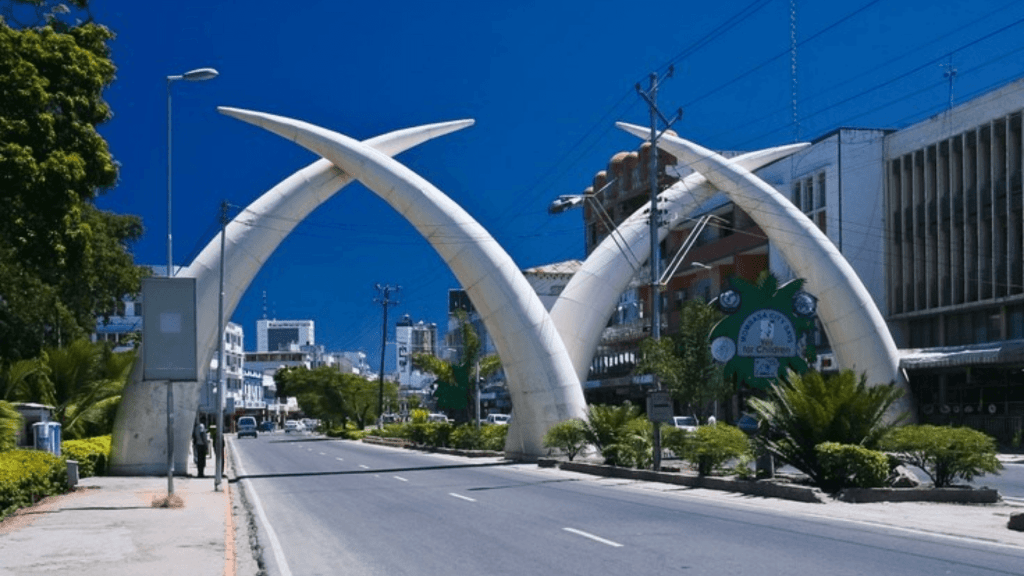
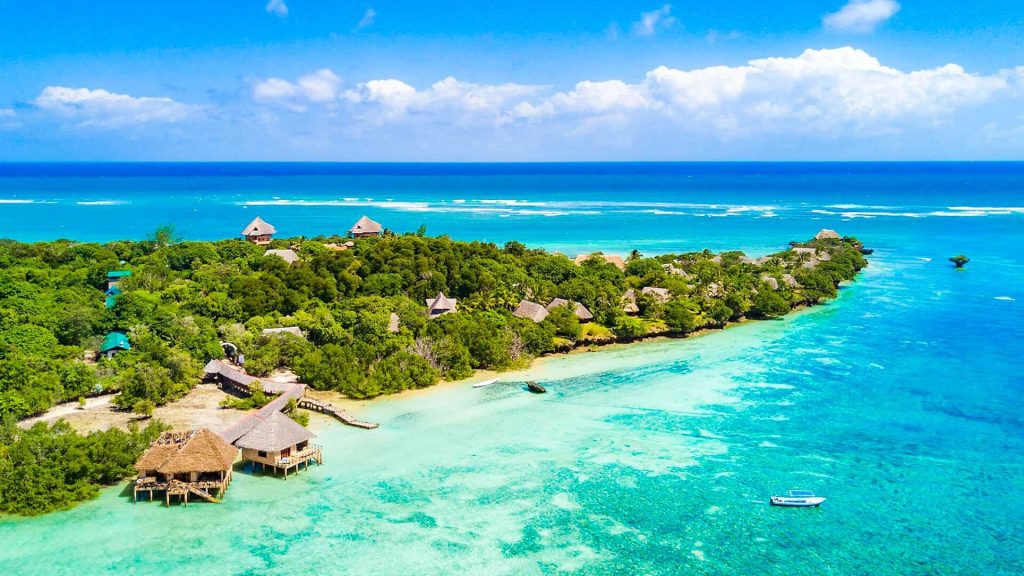
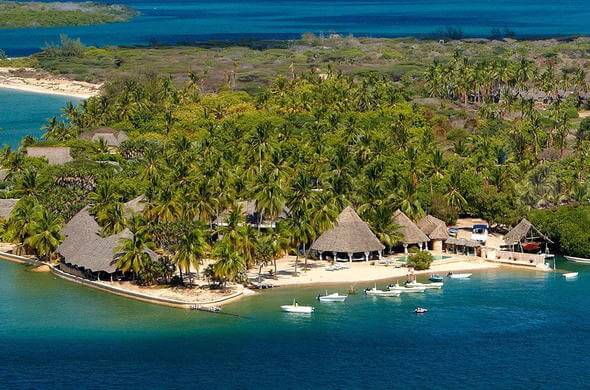
Mombasa (/mɒmˈbæsə/ mom-BASS-ə, also US: /-ˈbɑːs-/ -BAH-sə) is a coastal city in southeast Kenya along the Indian Ocean. The city is known as the white and blue city in Kenya. It is the country’s oldest (circa 900 AD) and second-largest city (after the capital Nairobi), with a population of about 1,208,333 people according to the 2019 census. Its metropolitan region is the second-largest in the country, and has a population of 3,528,940 people.
Mombasa is a tourism-based city; it has an extra-large port and an international airport, and is an important regional tourism centre. Located on the east coast of Kenya, it also is the home of one of the state houses, and is considered by some as a second capital in all but name.
Geography
Being a coastal town, Mombasa is characterized by a flat topography. The town of Mombasa is centred on Mombasa Island, but extends to the mainland. The island is separated from the mainland by two creeks, Port Reitz in the south and Tudor Creek in the north.
Mombasa has a tropical wet and dry climate (Köppen: As). The amount of rainfall essentially depends on the season. The rainiest months are April and May, while rainfall is minimal between January and February.
Located near the equator, Mombasa has only a slight seasonal temperature variation, with high temperatures ranging 28.8–33.7 °C (83.8–92.7 °F).
As a seaport, Mombasa is subject to detrimental consequences of a fluctuating climate. In October 2006, Mombasa experienced a large flood that affected 60,000 people.
Like the rest of Kenya, climate change is already creating challenges for the city: coastal erosion has become a problem for infrastructure in Mombasa. Due to rising sea levels, the coastline has been eroding at 2.5–20 cm (0.98–7.87 in) per year. This has increased the number of annual floods.