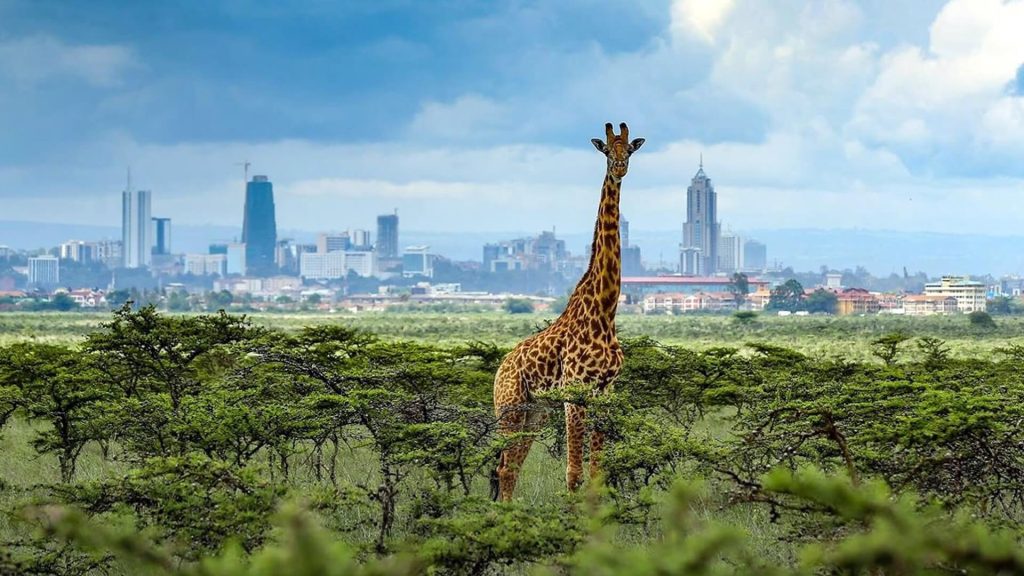
Nairobi (/naɪˈroʊbi/) is the capital and the largest city of Kenya. The name comes from the Maasai phrase Enkare Nairobi, which translates to “cool water”, a reference to the Nairobi River which flows through the city. The city proper had a population of 4,397,073 in the 2019 census, while the metropolitan area has a population of 9,354,580. The city is popularly referred to as the Green City in the Sun.
Geography
The city is situated at 1°09′S 36°39′E and 1°27′S 37°06′E and occupies 696 square kilometres (270 sq mi).
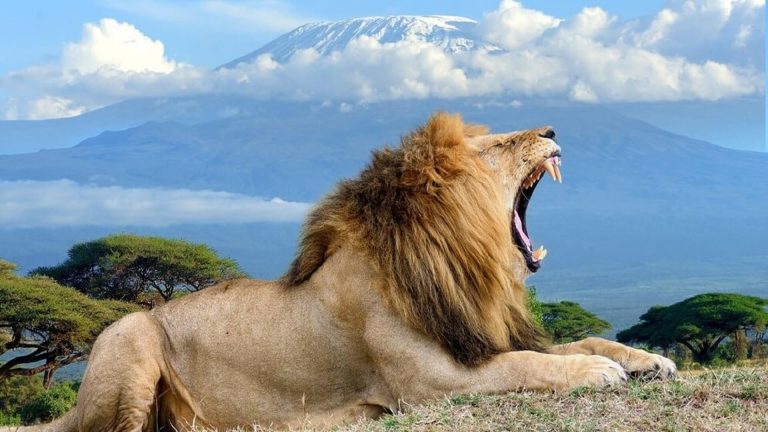
Nairobi is situated between the cities of Kampala and Mombasa. As Nairobi is adjacent to the eastern edge of the Rift Valley, minor earthquakes and tremors occasionally occur. The Ngong Hills, located to the west of the city, are the most prominent geographical feature of the Nairobi area. Mount Kenya is situated north of Nairobi, and Mount Kilimanjaro is towards the south-east.
The Nairobi River and its tributaries traverse through the Nairobi County and joins the larger River Athi on the eastern edge of the county.
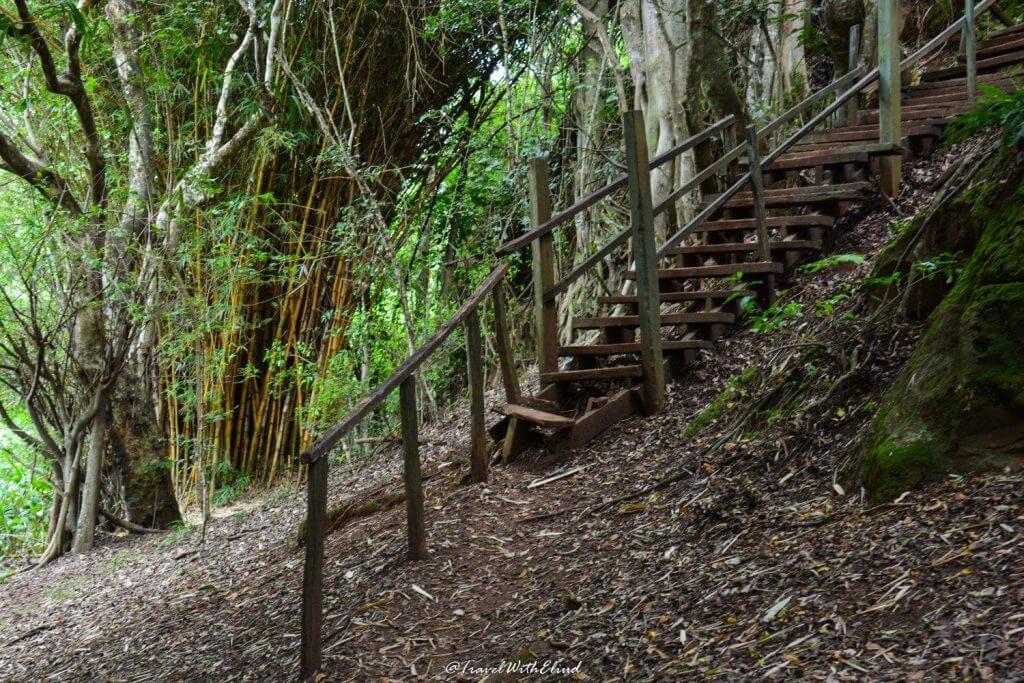
River Athi on the eastern side of Nairobi Nobel Peace Prize laureate Wangari Maathai fought fiercely to save the indigenous Karura Forest in northern Nairobi which was under threat of being replaced by housing and other infrastructure.
Nairobi’s western suburbs stretch all the way from the Kenyatta National Hospital in the south to the UN headquarters at Gigiri suburb in the north, a distance of about 20 kilometres (12 mi). The city is centred on the City Square, which is located in the Central Business District. The Kenyan Parliament buildings, the Holy Family Cathedral, Nairobi City Hall, Nairobi Law Courts, and the Kenyatta Conference Centre all surround the square.